Washing baby clothes and blankets without wrecking them

The volume of laundry in a house with a newborn is the thing nobody adequately warns you about. Because it is high volume, small errors compound quickly, and a set of decisions made in the first week determines whether clothing lasts one baby or three.
Wash everything before first use
New textiles carry manufacturing residues and sizing agents, and cotton in particular is noticeably softer and more absorbent after one wash. This applies to muslins, towels and clothing equally.
It also gives you the shrinkage before the garment is in rotation rather than after, which matters for anything bought close to size.
Detergent: less is the main rule
Using too much detergent is far more common than using the wrong one, and residue left in fabric is a more likely irritant than the detergent itself. Half the recommended dose is usually plenty for a lightly soiled load.
Fragrance-free is a reasonable default. Beyond that, a specialised baby detergent is optional rather than required, and the household can decide once it knows whether anyone reacts to anything.
Skip fabric softener entirely
Softener coats fibres, which reduces absorbency in exactly the items where absorbency is the point — towels, muslins, burp cloths — and can leave a residue on skin-contact fabric. It also degrades the flame-resistant treatment on some sleepwear.
If clothing feels stiff, the answer is a rinse with a little white vinegar rather than softener. It costs almost nothing and does not coat anything.
Temperature and when it matters
Warm rather than hot for everyday washing preserves elastic, prints and fleece. Hotter washes are for anything genuinely soiled, and those items are better dealt with individually than by raising the temperature of every load.
Fleece blankets in particular are damaged by heat: hot washing and hot drying are what turn a soft blanket into a stiff one, permanently.
Stains: rinse cold first, always
Protein stains — milk, spit-up, anything from a nappy — set permanently in hot water. Rinse in cold first, always, before any warm wash. Getting this the wrong way round is how a garment is lost on its first outing.
Sunlight is remarkably effective on the yellow stains cold rinsing leaves behind. Drying outside on a bright day removes marks that no amount of rewashing will.
Drying, and what heat does
Low heat or air drying for anything with elastic, print or fleece. High heat shrinks cotton, cracks prints and flattens fleece, and none of those are reversible.
Hooded towels and terry robes take a long time to air dry and must be fully dry before storage, or they develop a musty smell that survives rewashing.
Separating loads without making it a project
Two piles is enough: everything, and the heavily soiled things that need a hotter wash. Elaborate sorting is unsustainable at this volume and gets abandoned within a fortnight.
Do put anything with poppers or velcro in a mesh bag or fasten it. Velcro catches on knitwear and muslin and destroys both, and it is the most preventable laundry damage there is.
Volume management
Owning enough to run laundry once a day rather than twice is the real goal. That is the practical reason behind the quantities recommended for muslins and sleepsuits; it is a laundry-frequency calculation more than a usage one.
A second set of anything that takes a long time to dry — towels, fleece blankets — removes the specific problem of needing the item that is still wet.
Storing between sizes
Wash before storing, never after taking out of storage. Stains that were invisible when packed away oxidise and become permanent over months, which is why so much handed-down clothing has mysterious marks.
Store in fabric rather than sealed plastic. Sealed plastic traps residual moisture against cotton, and that is the other reason stored clothing comes out smelling wrong. A pillowcase costs nothing and works better than a vacuum bag.
Hooded towels and terry, which behave differently
Terry is a looped pile and the loops are what absorb. Anything that flattens them — high heat, softener, over-loading the drum — reduces the towel to a flat cloth that pushes water around rather than taking it up. A towel that has stopped drying properly has usually been cooked rather than worn out.
Wash terry separately from anything with velcro or poppers, because the loops catch and pull. A single pulled loop on a hooded towel turns into a run across the whole panel within a few washes, and that is the usual reason a good towel is retired early.
Building a routine you will still be doing in month three
The system that survives is the one with the fewest decisions in it. One detergent, one temperature for almost everything, two piles, and a fixed time of day. Anything requiring judgement per item gets abandoned during the first genuinely bad week.
It is also worth deciding in advance what you are willing to lose. Treating a small number of nice items as hand-wash and everything else as machine-wash-warm is sustainable; treating everything as delicate is not, and the clothes that get ruined are usually the ones caught in a system nobody could keep up.
Apparel and blankets in stock
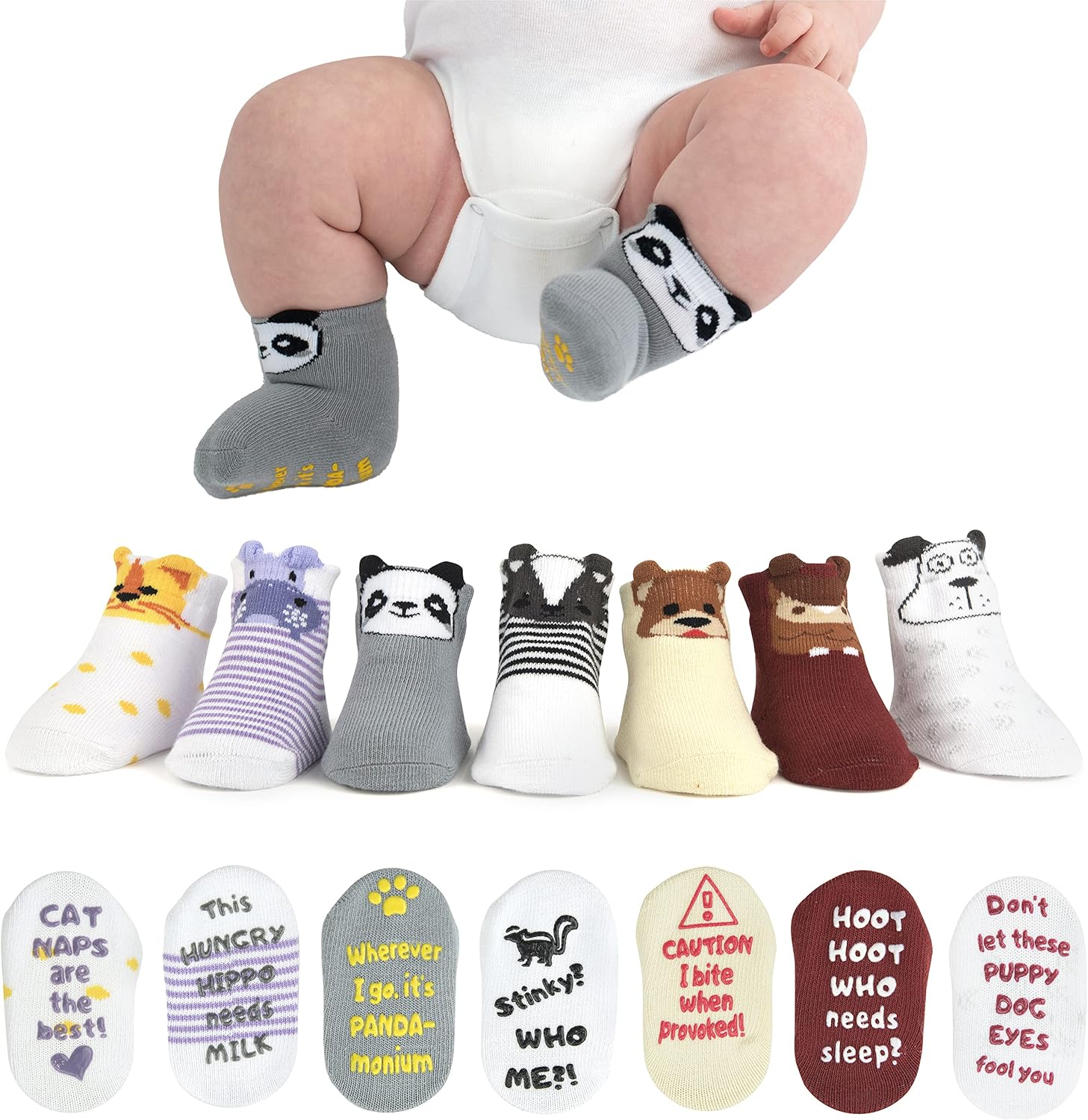
- ZIRI & ZANE Baby Sock Gift Set – 7 Pairs of Unisex Newborn Socks — $14.36
- MIUXUESO 3-Piece Baby Flower Headbands Set – Yellow, Pink & Brown Nylon Hairbands — $6.99
See everything in Baby Apparel.
A routine that survives
Wash everything before first use, use half the detergent and no softener, rinse protein stains cold before anything else, keep the heat low in both wash and dry, and fasten velcro before it goes in.
Questions about anything above? Our FAQ covers the usual ones, the Shipping Policy has the delivery detail, and you can contact us directly — we answer within one business day.